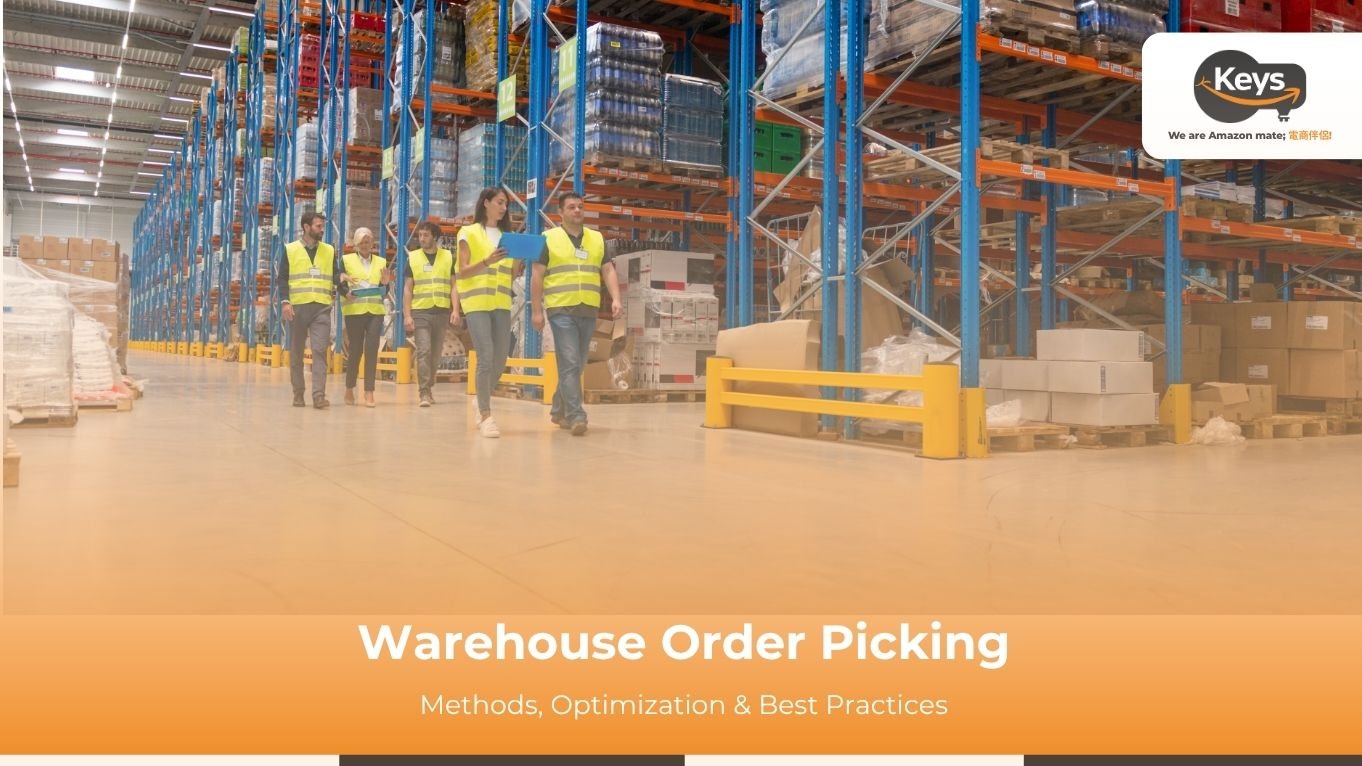
In the fast-paced world of logistics, Warehouse Order Picking plays a critical role in ensuring that customers receive the right products, on time, and in perfect condition. It refers to the process of selecting and retrieving items from warehouse storage to fulfill specific customer orders. As eCommerce and global trade expand, order picking has become one of the most time-consuming and cost-sensitive operations in warehouse management. In this article, we’ll explain what warehouse order picking is, explore different methods and technologies, and share strategies to improve efficiency and accuracy.
What Is Warehouse Order Picking?
Warehouse Order Picking directly influences delivery accuracy, fulfillment speed, and overall warehouse performance. It links inventory management, labor efficiency, and customer satisfaction into one core process. In most warehouses, order picking involves coordinating people, tools, and data to ensure items are selected and prepared correctly before shipping.
The efficiency of this process depends on factors such as warehouse layout, storage design, and picking method. Whether performed manually or automated through robotics and data systems, successful warehouse order picking minimizes travel time, reduces human error, and improves order turnaround. By optimizing workflows and integrating technology, warehouses can handle growing demand while maintaining accuracy and speed at scale.

Warehouse Order Picking Methods & Strategies
Choosing the right Warehouse Order Picking method depends on order volume, product type, and warehouse layout. Each strategy offers distinct advantages for speed, accuracy, and labor efficiency. Below are the most common methods used across modern warehouse operations.
- Discrete Picking: The most straightforward form of Warehouse Order Picking, where items are picked for one order at a time. It ensures high accuracy and simple tracking, making it ideal for small warehouses or low-volume operations. However, it can be time-consuming when processing multiple small orders. Many businesses now enhance discrete picking with barcode scanners and digital pick lists to boost speed and precision.
- Batch Picking: In batch picking, several orders are grouped and picked together, reducing the number of trips through the warehouse. Workers collect the same SKU for multiple orders in one pass, improving overall efficiency. This method works well for facilities with many similar orders and limited SKU diversity. When integrated with a WMS, Warehouse Order Picking becomes faster, more organized, and less labor-intensive.
- Zone Picking: The warehouse is divided into zones, with each picker assigned to a specific area. Orders move from one zone to another until fully completed. This structure minimizes unnecessary walking and allows specialization in certain product types. Warehouse Order Picking becomes smoother when zones are coordinated through automated conveyors or scanning systems that synchronize real-time progress.
- Wave Picking: Orders are picked in scheduled time blocks, or “waves,” based on priority, shipping method, or delivery time. Pickers handle several orders during each wave, increasing throughput and coordination between departments. This method of Warehouse Order Picking suits high-volume operations with tight dispatch schedules, ensuring goods are packed and shipped promptly.
- Cluster Picking: A picker collects items for multiple orders in one trip using divided carts or bins. This reduces travel distance while maintaining high accuracy. Each container represents a separate order, guided by barcode scanners or digital displays. Cluster picking improves Warehouse Order Picking efficiency for fast-moving consumer goods and eCommerce operations that demand quick turnaround.
- Waveless Picking: A modern, flexible approach where orders are continuously released to pickers in real time. The system automatically prioritizes based on current workload and delivery deadlines. Waveless Warehouse Order Picking enables faster response to demand changes, ideal for same-day or next-day delivery models. With AI-powered WMS support, it eliminates downtime and boosts overall fulfillment speed.

How Warehouse Order Picking Works
The order picking process connects warehouse inventory with customer fulfillment. It combines people, systems, and technology to ensure items are picked, checked, and prepared accurately before shipping. Here’s how a typical warehouse order picking workflow operates.
- Step 1: Order Generation – The process begins when the warehouse management system (WMS) receives a new customer or production order. It automatically creates a digital pick list with product details, quantities, and storage locations. This list is then assigned to pickers based on workload, route, or priority, ensuring smooth coordination from the start.
- Step 2: Item Location and Retrieval – Pickers follow optimized routes generated by the WMS or ERP system to locate each product quickly. Modern warehouses use barcode scanners, RFID tags, or handheld devices to verify accuracy in real time. Efficient route planning reduces walking distance, speeds up retrieval, and minimizes congestion on warehouse floors.
- Step 3: Verification and Sorting – Once items are collected, they are scanned and verified against the order list. This ensures the correct quantity, size, and SKU before packing. Many facilities use automated sortation systems or pick-to-light technology to streamline this step. It’s a critical stage for maintaining accuracy and preventing costly returns or delays.
- Step 4: Packing and Dispatch – The final step involves organizing verified items for packing and shipment. Orders are consolidated, labeled, and sent to the shipping zone. Some warehouses integrate packing automation or robotic assistance to save time. Real-time system updates confirm that the order has been fulfilled and is ready for delivery.

Technologies & Tools in Order Picking
Modern technology plays a central role in improving accuracy, speed, and efficiency during the picking process. By combining digital systems with automation, warehouses can minimize human error and handle large order volumes with ease. Below are key tools driving today’s order picking innovations.
RF scanners, pick-to-light, voice picking
These technologies enhance communication and precision between workers and warehouse systems.
- RF scanners use wireless connectivity to confirm item locations and instantly update inventory records after each pick.
- Pick-to-light systems guide operators using lights at storage bins, reducing search time and mistakes.
- Voice picking provides verbal instructions through headsets, allowing hands-free operation and faster picking speeds.
Together, these tools make order fulfillment more intuitive and efficient. They’re especially valuable in high-volume warehouses where even small time savings per pick can result in significant productivity gains.
Autonomous robots & AMRs
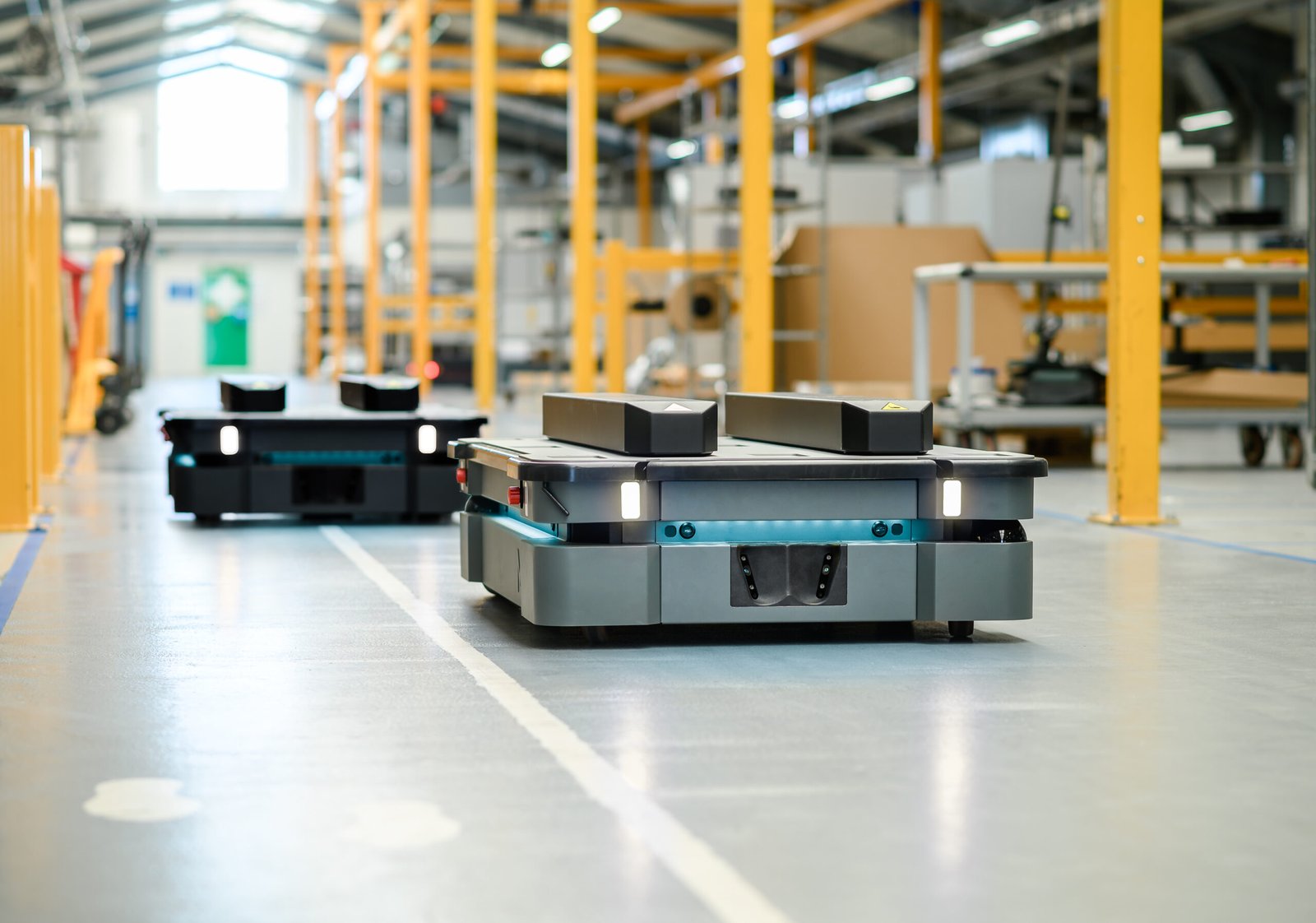
Autonomous Mobile Robots (AMRs) and automated picking systems are transforming traditional warehouse operations. These machines navigate aisles independently, retrieving or transporting goods to picking stations. They work safely alongside humans and adapt to dynamic environments without needing fixed routes.
By handling repetitive travel tasks, robots free workers to focus on quality control and complex orders. This automation improves consistency, reduces fatigue, and shortens cycle times. In large distribution centers, deploying AMRs can significantly boost throughput while maintaining operational accuracy and flexibility.
Integration with WMS / ERP for picking path optimization
Integrating the picking process with Warehouse Management Systems (WMS) or Enterprise Resource Planning (ERP) software ensures complete synchronization across operations. These systems analyze real-time data to determine the most efficient picking paths, minimizing travel time and labor costs.
Automated route optimization can adjust dynamically based on order priority, stock levels, or workforce availability. When combined with digital dashboards and analytics, managers gain better visibility into bottlenecks and performance metrics. This integration enables warehouses to plan proactively, adapt quickly to demand changes, and sustain long-term operational efficiency.
Benefits of Optimized Warehouse Order Picking
Improving how orders are picked has a major impact on warehouse performance and customer satisfaction. By optimizing workflows and integrating smart tools, businesses can achieve better accuracy, faster fulfillment, and lower operational costs. Here are the key benefits of optimizing the order picking process.
- Increased Accuracy and Fewer Errors: A well-organized Warehouse Order Picking system ensures each item is selected correctly the first time. Automation and barcode scanning reduce human error during identification, counting, and sorting. Higher accuracy not only minimizes costly returns but also strengthens customer trust by ensuring every shipment matches expectations.
- Higher Productivity and Efficiency: Streamlined picking routes, automated systems, and well-trained staff shorten fulfillment time per order. Workers spend less time walking and more time completing productive tasks. As a result, warehouses can handle larger order volumes with the same workforce, boosting throughput and operational performance.
- Reduced Labor and Operational Costs: Optimized Warehouse Order Picking minimizes wasted movement and duplicate work. With automation and improved layout design, businesses lower labor costs without sacrificing service quality. Reduced picking errors and faster processing also mean fewer rework expenses and smoother daily operations.
- Better Space Utilization and Workflow Design: An efficient picking process encourages better organization of inventory and smarter use of warehouse space. By placing high-demand products closer to packing zones, travel distance decreases. This structured layout supports safer movement, less congestion, and improved coordination between teams.
- Enhanced Customer Satisfaction and Delivery Speed: Faster, more accurate picking directly translates into shorter order cycles and on-time deliveries. Customers receive their products quickly and correctly, which enhances loyalty and repeat business. Optimized picking also allows companies to meet tighter shipping deadlines, strengthening their competitive advantage in the market.

How to Improve Warehouse Order Picking
Continuous improvement is the key to maintaining accuracy, speed, and cost efficiency in warehouse operations. By analyzing performance data, refining layouts, and adopting smart systems, businesses can significantly enhance how orders are picked and fulfilled.
Slotting optimization & SKU clustering
Slotting optimization focuses on placing products strategically within the warehouse to minimize picker travel time. Frequently ordered items should be stored in easily accessible areas near packing zones, while slow movers can be positioned farther away. Grouping similar SKUs — known as SKU clustering — also simplifies retrieval and reduces confusion during Warehouse Order Picking.
To maximize results, managers can use WMS analytics to monitor item popularity and adjust slotting layouts regularly. The right slotting design not only improves efficiency but also enhances worker safety by reducing unnecessary movement and congestion.
Cross-docking & waves scheduling
Cross-docking allows incoming goods to be transferred directly to outbound shipments without being stored for long periods. This practice reduces handling, lowers storage costs, and accelerates order fulfillment. Combined with wave scheduling — organizing picking tasks by priority or delivery route — warehouses can manage both high volume and time-sensitive orders efficiently.
Implementing these strategies helps balance workload across teams and ensures that shipping deadlines are consistently met. For fast-moving environments, integrating these techniques into the overall Warehouse Order Picking process creates smoother, more coordinated workflows that reduce downtime and improve on-time performance.
Continuous improvement & data analytics
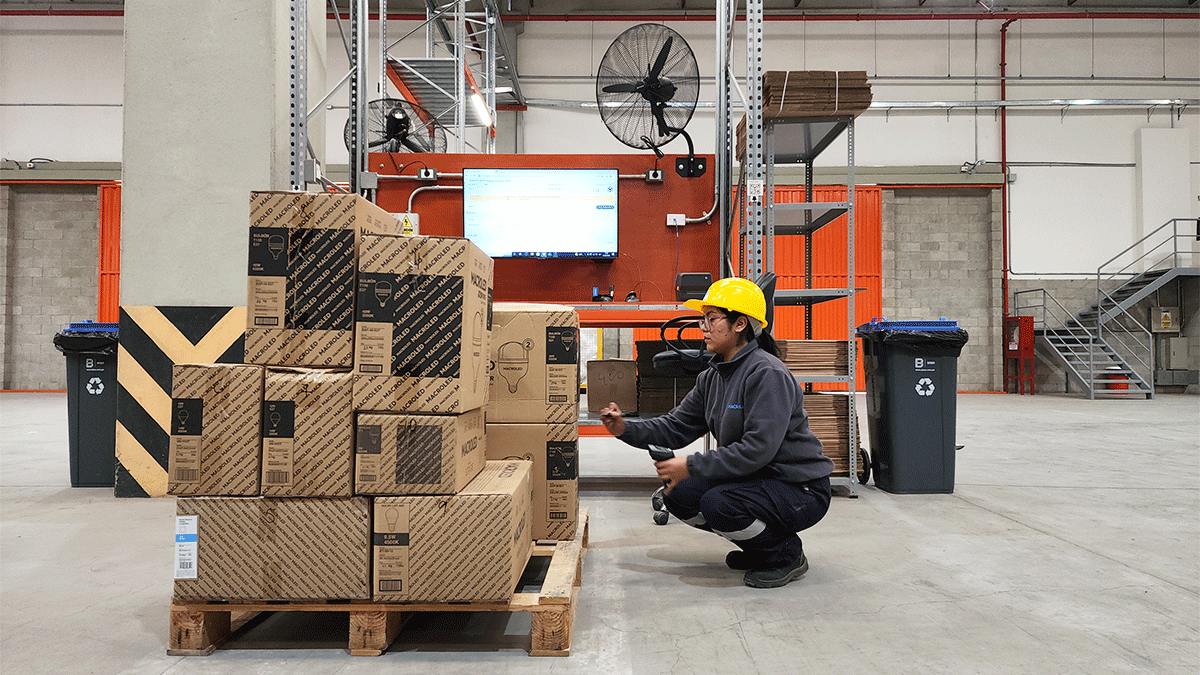
Regular performance evaluation keeps Warehouse Order Picking systems aligned with changing business needs. Using data analytics, managers can track metrics like pick accuracy, travel time, and order completion rates to identify improvement opportunities.
Many warehouses now employ KPI dashboards or AI-based analytics to predict bottlenecks before they happen. Continuous feedback and staff training ensure that best practices are reinforced daily. Over time, this data-driven approach leads to a more agile warehouse that adapts quickly to seasonal shifts, customer expectations, and market growth.
Efficient Warehouse Order Picking is essential for fast, accurate, and cost-effective order fulfillment. By selecting the right picking methods, optimizing layouts, and leveraging automation, businesses can significantly enhance productivity and accuracy. Continuous improvement through data analytics ensures that warehouses remain responsive to market changes and customer demands. Ultimately, a well-structured picking process leads to smoother operations, stronger performance, and better customer satisfaction.
At Keys Logistics, we aim to support businesses in achieving better warehouse coordination, visibility, and operational performance. Our focus is on building reliable supply chain partnerships that enhance efficiency and streamline logistics workflows from end to end. Contact us today for expert insights and tailored logistics support.


 Tiếng Việt
 中文 (中国)