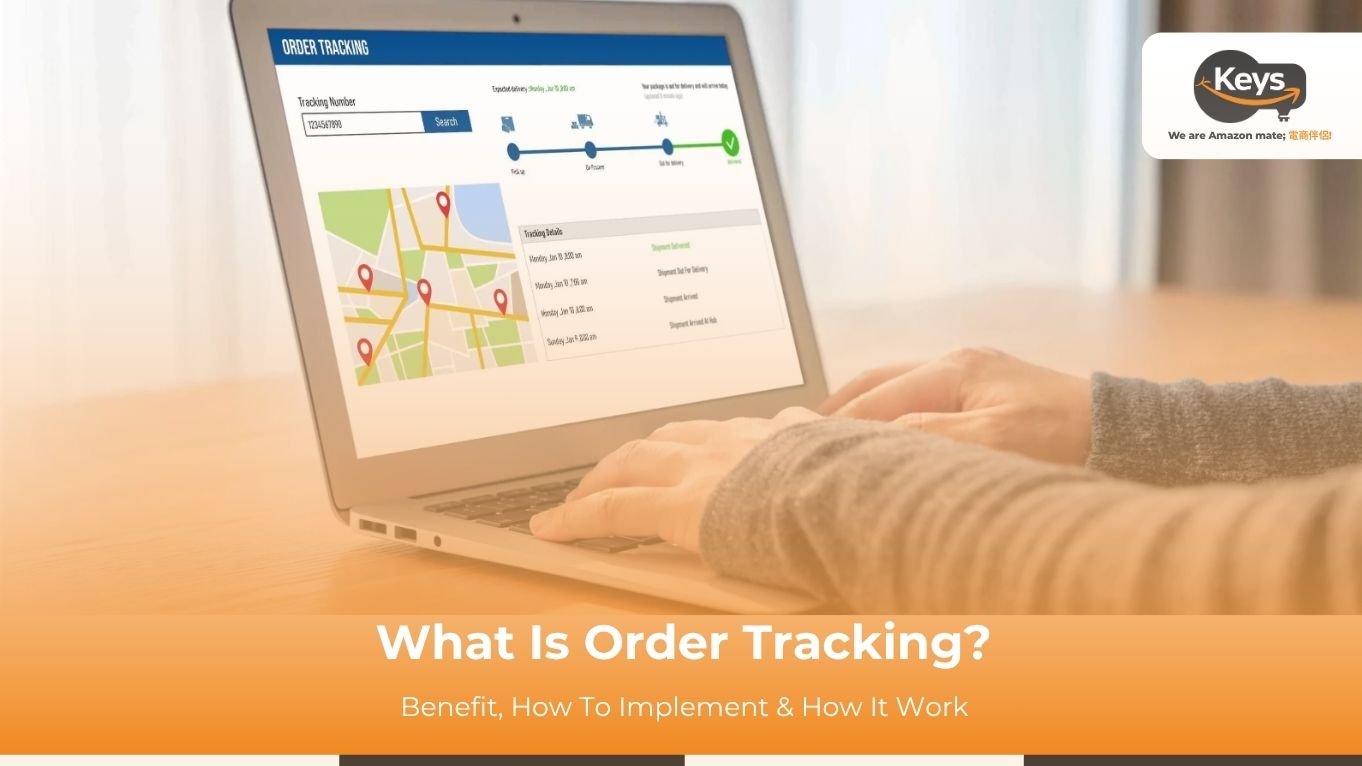
In today’s fast-moving eCommerce and logistics landscape, order tracking plays a crucial role in shaping customer experience and operational efficiency. It gives businesses and customers real-time visibility into where each order is, from warehouse dispatch to final delivery. Without effective order tracking, even the most organized supply chain can face delays, confusion, and dissatisfied clients. In this article, we’ll explore what order tracking is, how it works, and how businesses can implement modern tracking systems to improve transparency, trust, and customer satisfaction.
What is order tracking?
Order tracking is the process of monitoring and managing customer orders throughout the fulfillment journey – from the moment an order is placed to the time it reaches the end customer. It allows both businesses and customers to view the status of each shipment in real time, offering complete visibility and control over the delivery process.
In practice, order tracking combines information from multiple stages: order confirmation, inventory allocation, packaging, shipment dispatch, carrier transit, and final delivery confirmation. Each stage updates automatically within an integrated system, giving customers instant access to accurate and up-to-date delivery information.
For businesses, effective order tracking systems reduce uncertainty, improve communication, and enhance overall service quality. For customers, it creates trust, convenience, and satisfaction – knowing exactly when and where their purchase will arrive. In a competitive marketplace where speed and transparency define success, order tracking has become a must-have capability for every modern logistics operation.

Benefits of order tracking
In a digital-first economy, order tracking is no longer just a customer service feature – it’s a competitive advantage. It strengthens transparency between buyers and sellers, enhances operational control, and builds trust throughout the supply chain. Whether your business operates in eCommerce, retail, or logistics, a robust order tracking system delivers measurable benefits across multiple areas.
Key benefits of order tracking include:
- Improved customer satisfaction: Real-time updates on order status reassure customers that their purchases are on the way. This transparency reduces anxiety, minimizes “Where is my order?” inquiries, and increases post-purchase confidence.
- Enhanced operational visibility: For businesses, order tracking offers a complete overview of shipments, inventory movement, and delivery progress. It enables teams to identify delays early and resolve issues before they impact the customer experience.
- Better communication and collaboration: With centralized tracking data, customer service, logistics, and warehouse teams can coordinate seamlessly. Everyone works with the same real-time information, reducing confusion and improving efficiency.
- Reduced delivery errors: Automation in order tracking systems minimizes human mistakes by ensuring accurate data capture and consistent updates from warehouse to customer doorstep.
- Stronger brand reputation and loyalty: When customers experience smooth, transparent delivery, they’re more likely to trust and return to the brand. Over time, efficient order tracking strengthens loyalty and boosts retention rates.
- Data-driven decision-making: Tracking systems collect valuable performance metrics — such as delivery times, carrier reliability, and order accuracy – helping businesses refine operations and forecast future demand more effectively.
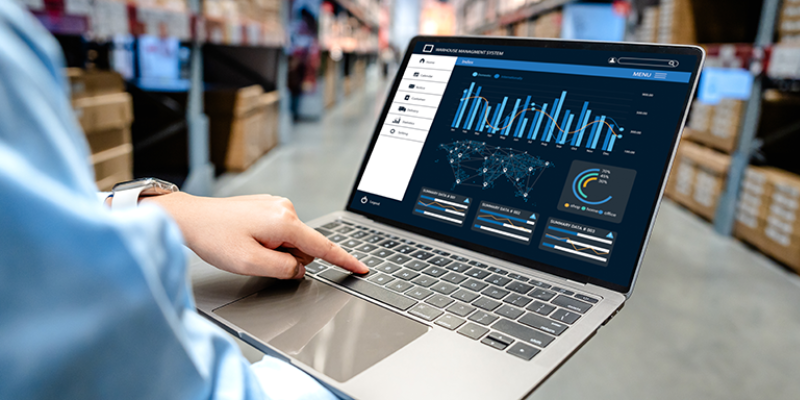
Order tracking: How does it work?
To understand how order tracking works, it’s helpful to look at how an order moves through every stage of the fulfillment process – from purchase to delivery. Each step contributes key data that feeds into a central tracking system, allowing customers and businesses to monitor progress in real time.
- Order placement and confirmation: The process begins when a customer places an order online. Once payment is verified, the system generates a unique tracking ID and sends it to the customer via email or SMS. From here, every update – from packaging to delivery – is linked to this identifier, forming the foundation of order tracking visibility.
- Inventory allocation and packaging: After confirmation, the warehouse receives the order details. The WMS checks stock availability, assigns pickers, and prepares the package. Barcodes or RFID tags are applied to track each parcel, ensuring accuracy and enabling real-time status updates once the package leaves the facility.
- Dispatch and shipment handover: When the order is handed to the shipping carrier, it’s scanned and entered into the carrier’s system. The data syncs instantly with the retailer’s dashboard, marking the order as “shipped.” This is where live order tracking begins, allowing customers to view transit updates at any time.
- In-transit monitoring: As the parcel moves through checkpoints, it is scanned multiple times. Each scan updates the system with time and location data. Modern order tracking systems use GPS and IoT technology to provide accurate route visibility and estimated delivery times to customers.
- Out for delivery and completion: Once the parcel reaches the final hub, its status changes to “Out for delivery.” Customers may receive real-time courier tracking or delivery window notifications. After successful delivery, the system automatically updates to “Delivered” and may include proof of delivery or customer feedback requests.
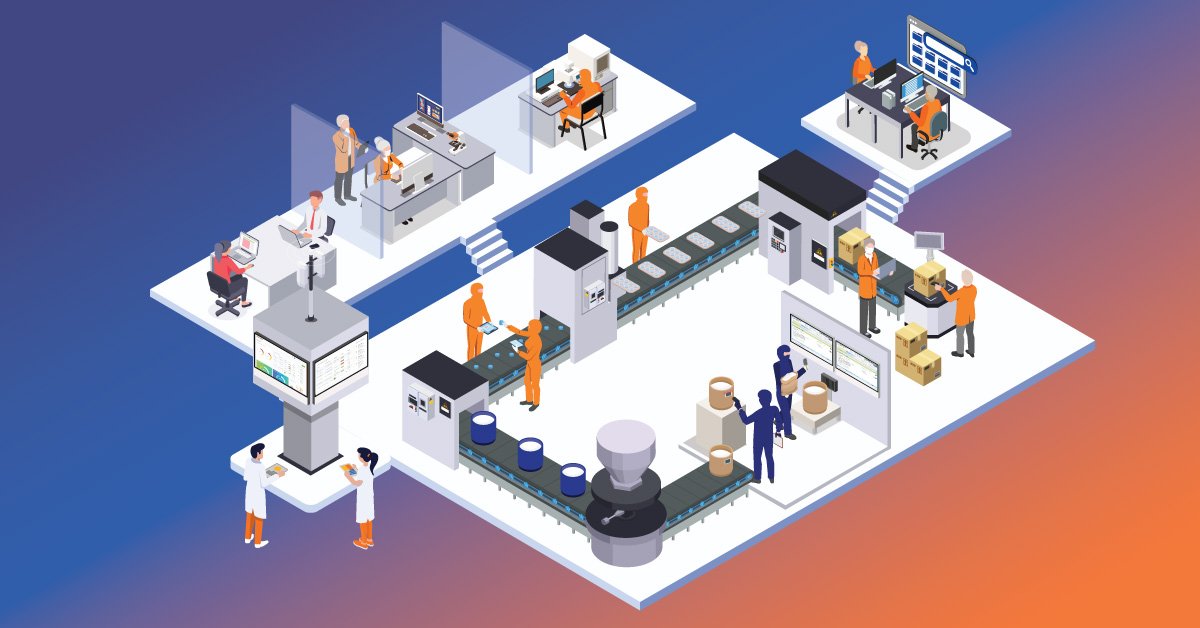
Essential technologies powering real-time order tracking
Modern order tracking systems rely on advanced technologies that connect every stage of the supply chain – from warehouse management to last-mile delivery. These tools ensure seamless communication, accurate data updates, and full visibility across all operations. Below are the core technologies that power real-time order tracking today:
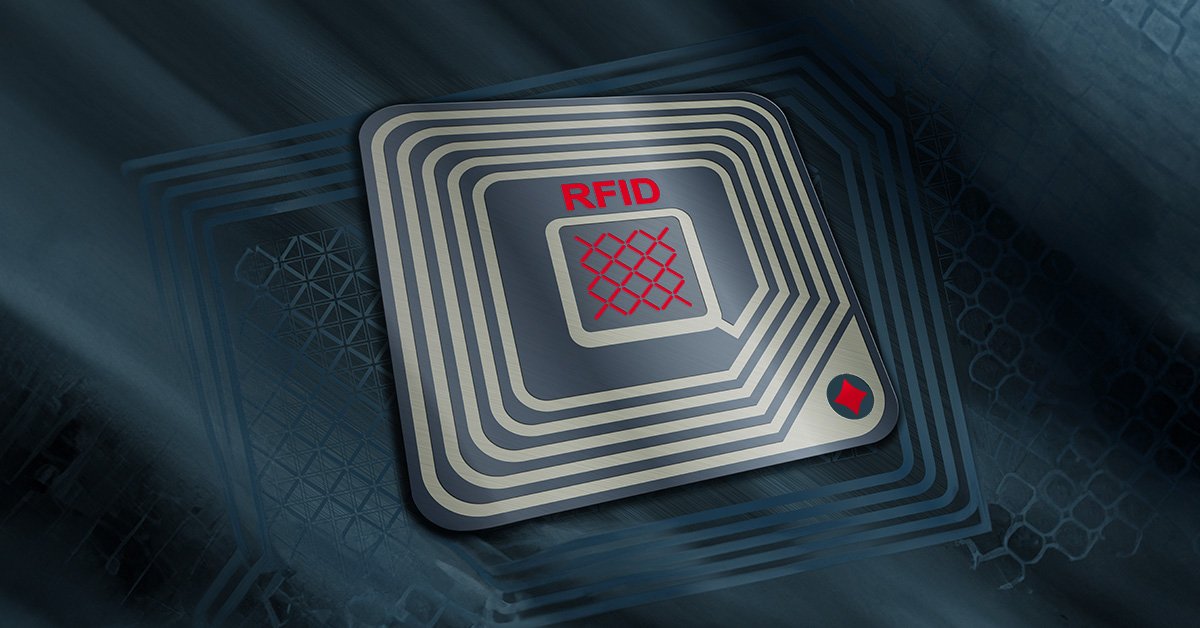
- RFID (Radio-Frequency Identification): RFID tags use radio waves to automatically identify and track items without physical scanning. Each tag contains a microchip storing product data, which is read instantly as goods pass through sensors in warehouses or trucks. This allows for faster processing, reduces manual errors, and keeps order tracking information continuously updated.
- GPS (Global Positioning System): GPS provides real-time location tracking for vehicles and shipments on the move. Integrated GPS modules allow logistics managers to monitor routes, detect delays, and reroute drivers in response to traffic or weather changes. For customers, GPS makes order tracking more accurate by providing live delivery updates and expected arrival times.
- IoT (Internet of Things): IoT technology connects smart sensors, scanners, and tracking devices to the internet, enabling them to share real-time data throughout the supply chain. These sensors can monitor temperature, humidity, vibration, or security conditions – critical for industries like pharmaceuticals or food logistics. The integration of IoT ensures continuous visibility and reliability across the entire order tracking process.
- Barcode and QR Code Systems: Barcodes and QR codes remain the backbone of logistics automation. Each time a code is scanned, the system records an update that’s instantly reflected in the customer-facing dashboard. Simple yet powerful, this technology keeps order information synchronized from picking to delivery, ensuring consistent transparency and traceability.
- API Integrations: APIs (Application Programming Interfaces) act as digital bridges connecting various logistics platforms – such as warehouse management systems, transportation management systems, and carrier databases. This integration allows all order tracking data to sync in real time, eliminating data silos and ensuring that customers always receive the most recent shipment information.
- Cloud-Based Platforms: Cloud technology enables businesses to process massive volumes of tracking data efficiently and securely. With cloud-based systems, teams can access live dashboards from any device, collaborate across locations, and scale operations quickly as order volumes grow. Cloud computing is the backbone that makes modern, global order tracking both reliable and accessible.
- AI and Predictive Analytics: Artificial intelligence analyzes historical and real-time data to forecast delivery times, detect potential disruptions, and optimize logistics routes. Predictive analytics can alert teams about delays before they happen, allowing proactive customer communication. By combining AI with order tracking, companies can transform raw data into actionable insights that improve accuracy and customer satisfaction.
Order tracking: How to implement?
Setting up an efficient order tracking system requires a structured approach that combines technology, data integration, and human expertise. Whether you’re upgrading an existing logistics platform or launching one from scratch, each phase must be aligned with your operational goals. The following five steps outline how to build and maintain a high-performing, real-time order tracking process.
Assess needs and define goals
Before investing in any new solution, take time to analyze your current fulfillment and logistics operations. Identify weak points such as slow updates, lack of visibility between teams, or inconsistent delivery information. Talk with stakeholders across departments to understand what customers expect and where the process falls short.
Setting measurable goals – like reducing delivery delays, improving customer communication, or cutting response times – ensures your order tracking project has a clear direction. When you start with defined objectives, it becomes easier to select the right tools and evaluate success over time.
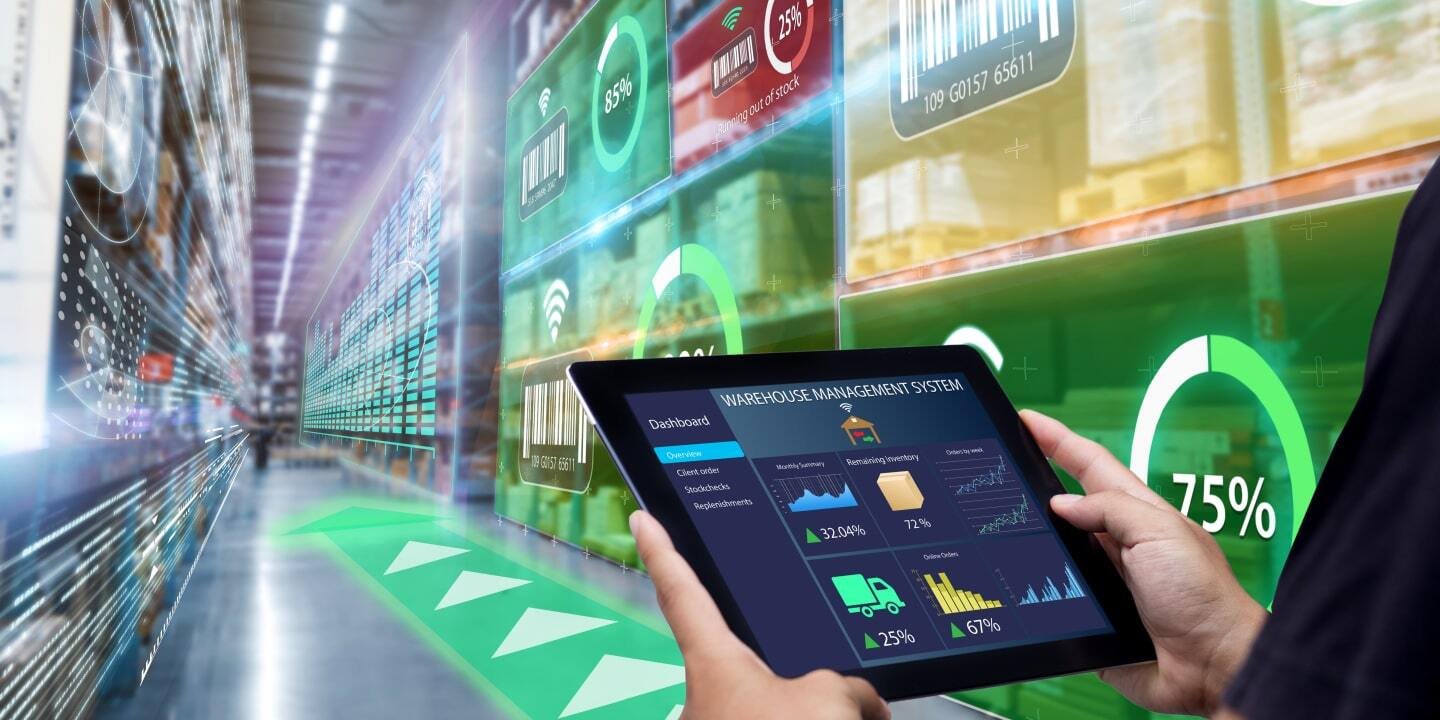
Integrate with the warehouse management system (WMS)
Smooth data integration between your order tracking platform and warehouse management system (WMS) is the backbone of efficient operations. A connected system allows inventory movements, order statuses, and shipment details to sync automatically without manual input. Every time an item is picked, packed, or dispatched, the status instantly updates for both internal teams and customers.
Integration also helps carriers access the same information in real time, ensuring accuracy from warehouse to delivery. This connection not only reduces human error but also accelerates communication, giving your logistics network full end-to-end visibility and control.
Conduct user training and system testing
Even the best order tracking system can underperform without proper training and testing. Educate all involved teams – from warehouse operators to customer support – on how to use the system efficiently. Everyone should understand how order data flows, what each status means, and how to handle exceptions. Conduct multiple rounds of testing under real-world conditions, simulating different order types and delivery scenarios.
This process helps identify integration bugs or workflow bottlenecks before going live. Well-prepared employees and thoroughly tested systems lead to smoother operations, faster adoption, and fewer post-launch issues that could affect customer experience.
Launch operations and manage daily activities
After setup and testing, move into full-scale operations. At this stage, consistency is key. Assign dedicated staff to monitor tracking dashboards daily, ensuring all updates remain accurate and timely. Any discrepancies – such as missing scans or delivery delays – should be investigated immediately and communicated to customers. Implement clear escalation procedures to resolve issues before they impact service levels.
Effective order tracking management also means using daily data reports to improve planning and adjust workloads. When teams collaborate closely, the system becomes more reliable and responsive to dynamic customer demands.

Continuously monitor and optimise performance
Once your order tracking system is operational, ongoing performance review is vital. Track core KPIs such as average delivery time, order accuracy, and on-time delivery rate. Analyze customer feedback to identify gaps in communication or tracking visibility. Use these insights to refine your logistics strategies, update automation rules, or implement new technologies like predictive analytics.
Periodic audits and software updates also keep your system secure and efficient. Continuous optimization ensures your order tracking process evolves with market trends and remains a source of competitive advantage in the long run.
Mastering order tracking is key to delivering excellent customer experiences and ensuring smooth supply chain performance. When businesses can monitor every step – from warehouse to doorstep – they gain control, efficiency, and trust. A strong tracking system also reduces errors, enhances transparency, and builds lasting customer loyalty. In an era where speed and visibility define success, investing in smart order tracking is no longer optional – it’s essential.
At Keys Logistics, we provide end-to-end logistics solutions that help businesses implement real-time order tracking with precision and reliability. Our advanced systems, global network, and dedicated experts ensure seamless visibility from pickup to delivery. Whether you’re managing eCommerce orders or large-scale B2B shipments, Keys Logistics empowers you to optimize operations and exceed customer expectations. Contact us to get a tailored logistics solution or speak with our experts about improving your order tracking system.


 Tiếng Việt
 中文 (中国)