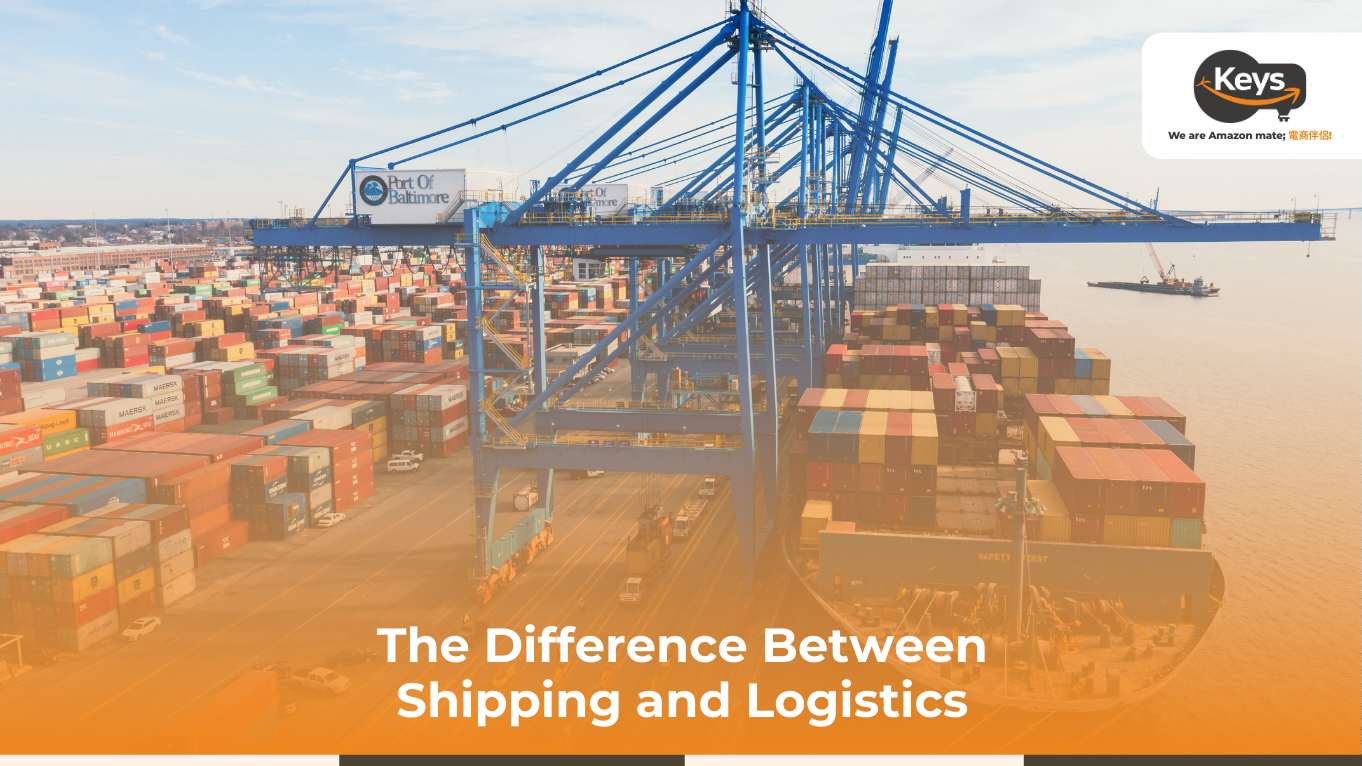
In the world of supply chain management, understanding shipping vs logistics is crucial for building an efficient and responsive operation. While both are interconnected, shipping focuses on the physical movement of goods, whereas logistics encompasses the broader planning, management, and coordination of supply chain activities. This article explores their definitions, key differences, and why mastering both is essential for business success.
What is shipping?
Shipping refers to the physical movement of goods from one location to another, typically from a warehouse or distribution center to the end customer. This process encompasses various activities, including packaging, labeling, and transportation, which can involve multiple modes such as road, rail, air, or sea. The primary objective of shipping is to ensure that products are delivered to customers in a timely and efficient manner, thereby enhancing customer satisfaction and supporting business operations.
What is Logistics?
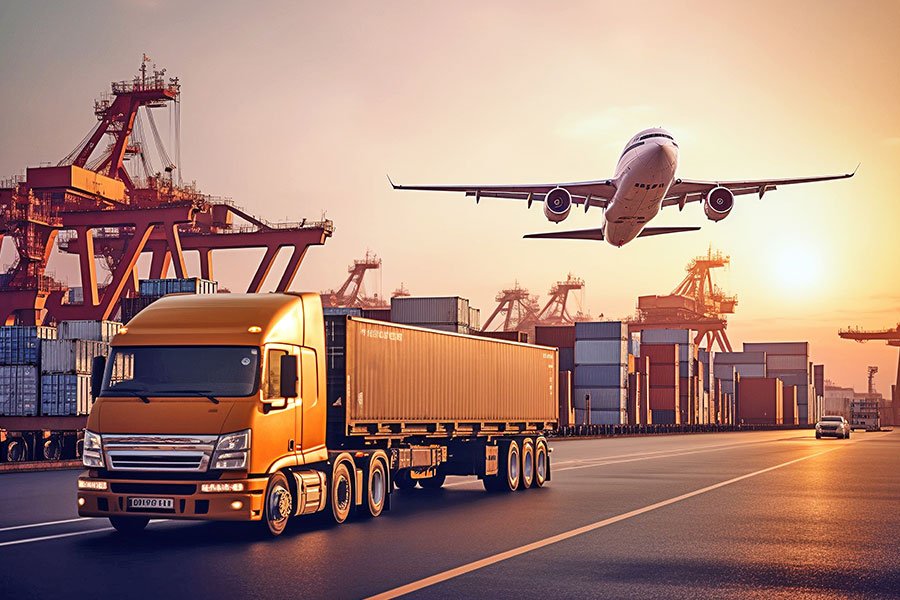
Logistics is a broader concept that encompasses the planning, implementation, and management of the flow of goods, services, and information throughout the supply chain. It involves coordinating various processes, including procurement, warehousing, inventory management, and transportation. Effective logistics management ensures that products are acquired, stored, and transported efficiently, ultimately leading to optimized operations and reduced costs. Logistics plays a critical role in facilitating the movement of goods and ensuring that they reach their final destinations in a timely manner.
What is the difference between shipping and logistics?
Understanding the distinction between shipping vs logistics is crucial for businesses aiming to optimize their supply chain operations. While both terms are often used interchangeably, they refer to different aspects of the supply chain management process.
Key similarity
Shipping vs logistics are closely related concepts that both involve the movement of goods within the supply chain. They share the common goal of ensuring that products are delivered to customers efficiently and on time. Both processes require effective coordination with carriers and other stakeholders to maintain smooth operations and meet customer expectations.
Key difference
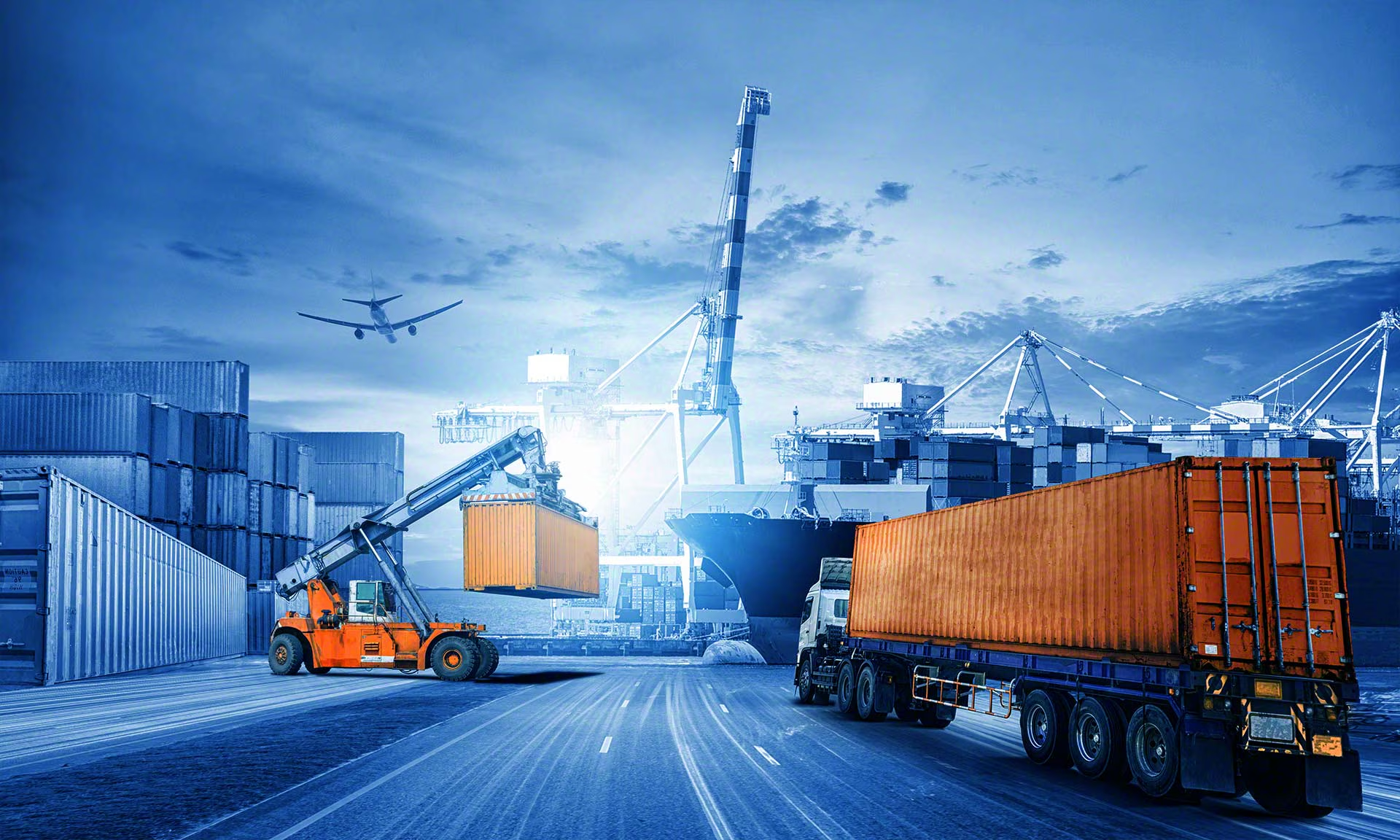
The primary difference between shipping vs logistics lies in their scope. Shipping specifically refers to the physical transportation of goods from one location to another, focusing on the actual movement and delivery of products. In contrast, logistics encompasses a broader range of activities, including planning, inventory management, warehousing, and the overall management of the supply chain. Essentially, shipping is a component of logistics, which looks at the entire process from procurement to delivery.
Shipping vs logistics: Why do you need both?
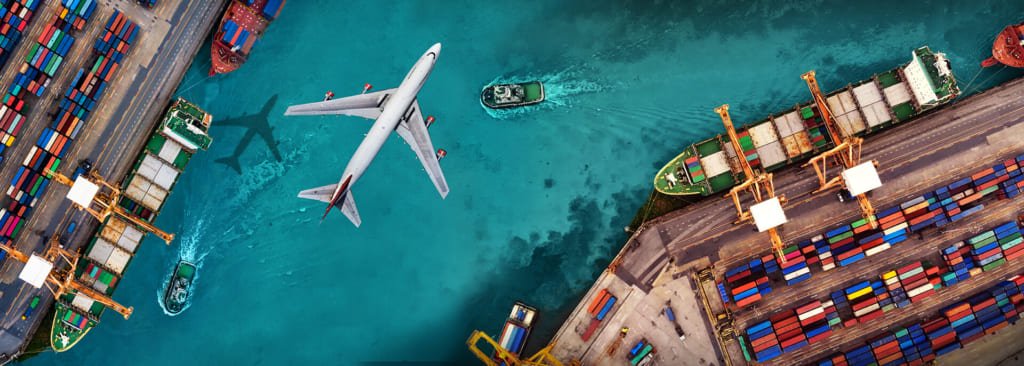
Understanding the interplay between shipping vs logistics is essential for businesses seeking to streamline their operations and enhance efficiency. While shipping focuses specifically on the transportation of goods, logistics encompasses a broader range of activities that manage the entire supply chain process. Here are several reasons why both are necessary for effective supply chain management:
- Comprehensive supply chain management: Integrating shipping and logistics allows businesses to manage the entire supply chain effectively, from sourcing raw materials to delivering finished products to customers. This holistic approach ensures that all components work together seamlessly, reducing delays and improving overall efficiency .
- Cost optimization: By combining shipping and logistics, companies can optimize transportation routes, consolidate shipments, and streamline processes. This integration can lead to significant cost savings on transportation and warehousing, ultimately enhancing profitability.
- Enhanced customer satisfaction: Efficient shipping and logistics operations result in faster delivery times and more accurate order fulfillment. This not only improves customer satisfaction but also fosters loyalty, as customers are more likely to return to businesses that consistently meet their delivery expectations.
- Risk mitigation: Effective logistics planning helps identify potential bottlenecks and risks within the supply chain. By addressing these issues proactively, businesses can implement contingency plans that minimize disruptions and ensure a smooth flow of goods.
- Competitive advantage: In today’s dynamic market, having robust shipping and logistics capabilities can provide a significant competitive edge. Businesses that excel in these areas can offer better shipping options, such as faster delivery times and lower costs, making them more attractive to customers.
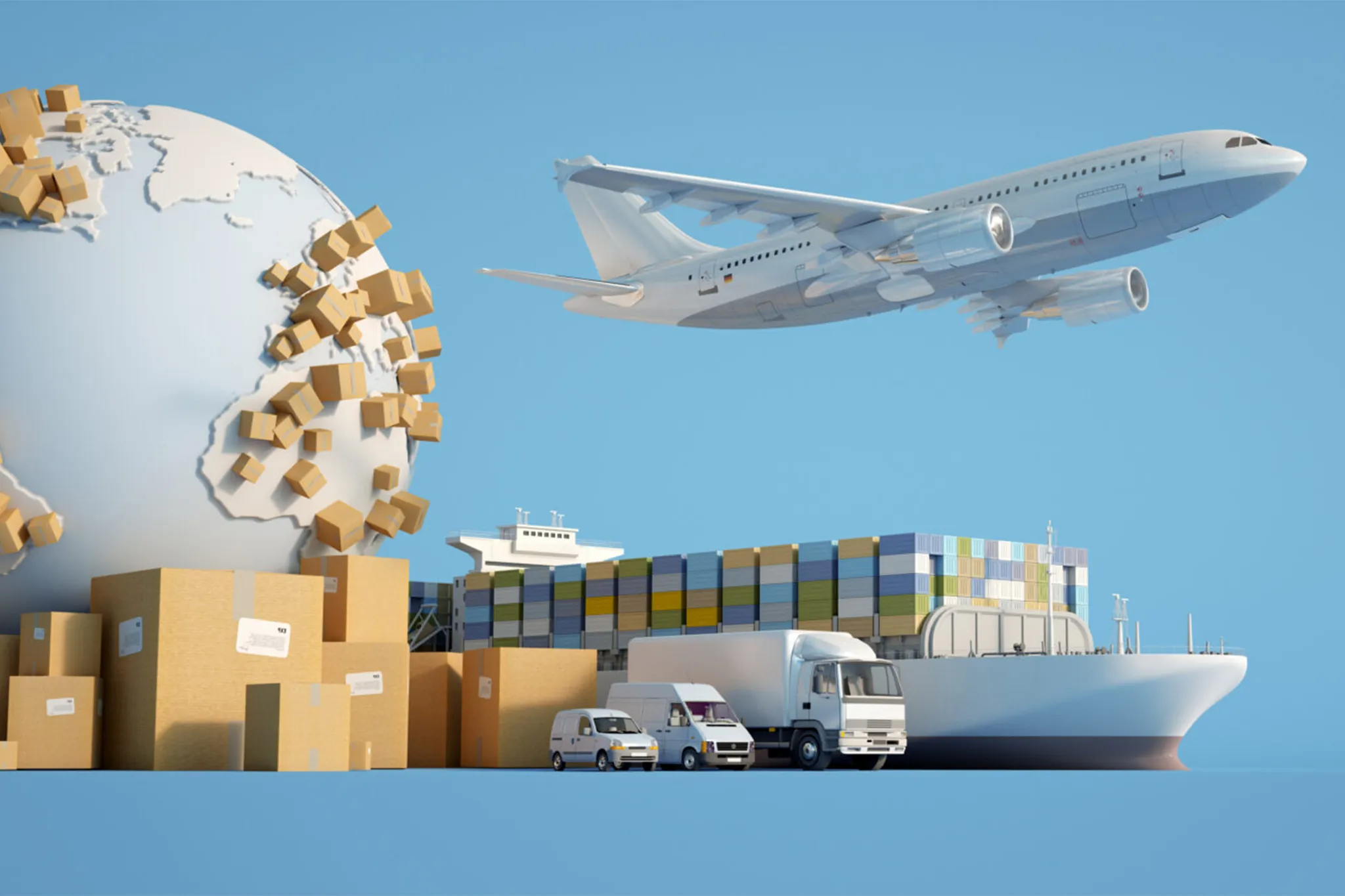
Understanding shipping vs logistics is fundamental to building a resilient, efficient, and customer-centric supply chain. While shipping handles the physical movement of goods, logistics ensures that the entire process – from procurement to delivery is strategically planned and executed. Businesses that invest in optimizing both can achieve faster deliveries, lower costs, and higher customer satisfaction.
Need expert support in both shipping and logistics? Contact Keys Logistics today to streamline your supply chain operations with tailored, scalable solutions.


 Tiếng Việt
 中文 (中国)