Effective warehouse zone management is the foundation of a well-organized and high-performing logistics operation. By dividing a warehouse into distinct zones based on product type, order frequency, or storage requirements, businesses can improve picking accuracy, reduce travel time, and increase overall productivity. However, maintaining efficiency within each zone requires more than just a logical layout – it demands consistent evaluation, clear communication, and the right blend of human expertise and automation. Implementing the following best practices will help optimize your warehouse zoning strategy for long-term performance and adaptability.
What is a warehouse zone?
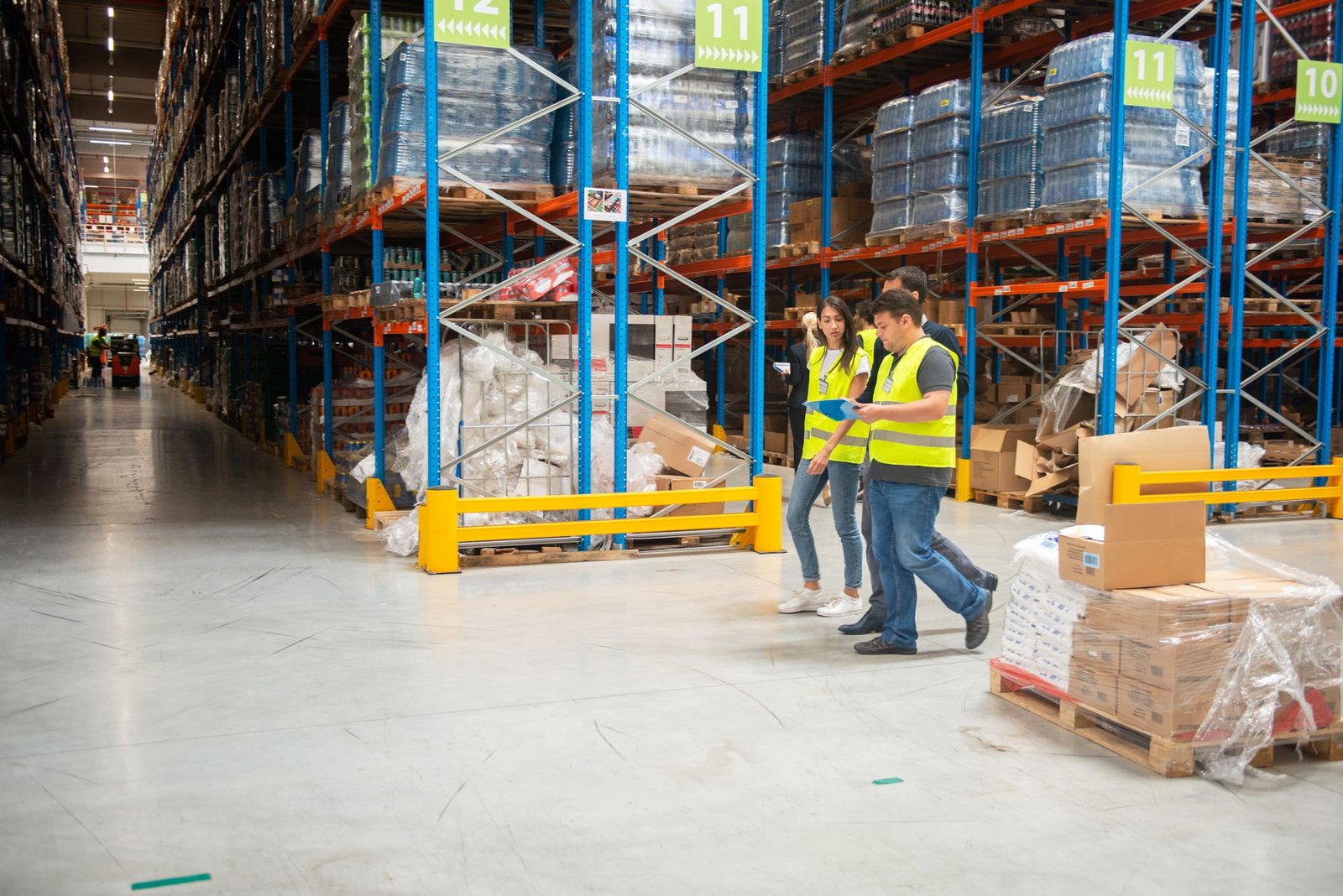
A warehouse zone is a defined area within a warehouse designated for a specific function or group of activities. Zoning helps separate different workflows – such as receiving, storage, picking, packing, and shipping – so that materials, products, and people can move more efficiently and safely through the facility.
In simple terms, warehouse zoning ensures that every item has a designated place and that each operational task happens where it’s most efficient to do so. It’s a key principle in warehouse management, logistics optimization, and lean operations.
Modern warehouses may have several zones depending on the size, product type, and order volume. These zones can also be defined digitally in a warehouse management system (WMS), allowing managers to monitor inventory and labor productivity in real time.

Why warehouse zoning is important
Zoning directly affects every part of warehouse operations-from product flow to worker safety. When zones are well-designed and logically arranged, they:
- Reduce travel time for workers and forklifts
- Prevent congestion in high-traffic areas
- Improve inventory visibility and control
- Minimize picking and packing errors
- Support automation and scalability
- Enhance safety and compliance with regulations
A poorly zoned warehouse, on the other hand, leads to confusion, mis-shipments, and inefficiency. For companies managing thousands of SKUs, zoning isn’t optional-it’s the backbone of effective inventory and order management.
Common types of warehouse zones
Every warehouse layout is unique, but most facilities share several standard zones. Understanding each one helps you design a warehouse flow that maximizes efficiency.
Receiving zone
This is where goods first enter the warehouse. The receiving zone is used for unloading trucks, inspecting incoming materials, checking quantities, and entering items into the warehouse management system. A well-organized receiving area prevents bottlenecks and ensures products are correctly identified before being stored.
Storage zone
After inspection, goods move to the storage zone. This area is designed for both short- and long-term storage of materials or finished goods. Depending on the product type, storage zones can include:
- Bulk storage for large items or palletized goods
- Rack storage for smaller, high-density items
- Climate-controlled areas for temperature-sensitive materials
Picking zone
The picking zone is where workers collect items needed to fulfill customer orders. Efficient zone layout here is crucial because picking often accounts for more than 50% of total warehouse labor costs. Companies use different picking strategies-like zone picking, wave picking, or batch picking-to optimize this area.
Packing zone
Once items are picked, they move to the packing zone. Here, workers check order accuracy, prepare documentation, and package items securely for shipment. The packing area should be well-lit, equipped with ergonomic tables, and located close to shipping docks to minimize handling time.

Shipping zone
This zone handles outbound logistics. It’s where packed orders are sorted, labeled, and loaded onto trucks. A well-structured shipping area ensures that carriers can access loads efficiently and that shipments leave on schedule.
Returns and quality control zone
Many warehouses now dedicate specific zones for returns, repairs, and re-inspection. Having a separate area prevents returned goods from interfering with active inventory and improves the speed of restocking or disposal.
How to design an efficient warehouse zone layout
Designing effective warehouse zones requires a balance of space planning, workflow analysis, and safety considerations. Follow these key steps:
Map out your warehouse operations
Identify every major activity that takes place in your warehouse-from inbound logistics to outbound shipping. Each of these should have a dedicated or shared zone depending on the frequency and scale of the operation.
Optimize product flow
Plan your layout so materials move logically from receiving to storage, picking, and shipping. Avoid crossing paths between inbound and outbound traffic to reduce congestion. Ideally, the flow should be linear or U-shaped for minimal backtracking.
Classify inventory
Use ABC analysis or similar methods to group inventory by movement frequency.
- A-items (fast-moving) should be placed in easily accessible zones near picking areas.
- B-items can be located slightly farther away.
- C-items (slow-moving) can be stored in higher or more distant racks.
This ensures that frequently accessed items are closer to key workflows, reducing travel time.
Ensure safety and compliance
Each zone must comply with fire safety, material-handling, and workplace standards. Leave clear pathways for forklifts and emergency exits. Use signage and color-coded markings to define zones and traffic routes clearly.
Integrate with warehouse management systems (WMS)
A digital WMS can map out warehouse zones virtually, allowing you to track inventory location, assign picking routes, and monitor performance metrics. Integration between physical zoning and software ensures seamless real-time control over warehouse operations.
Zone picking and warehouse zoning
One of the most effective applications of warehouse zoning is zone picking. In this method, the warehouse is divided into several picking zones, each managed by specific workers or automated systems.
Instead of one picker moving through the entire warehouse, multiple pickers work in parallel in their respective zones. Orders are then consolidated in the packing area.
Zone picking offers several advantages:
- Reduces worker travel time
- Increases picking speed and accuracy
- Simplifies training for new employees
- Allows simultaneous fulfillment of multiple orders
When combined with modern WMS or voice-directed picking systems, zone picking can improve overall picking productivity by up to 30%.
The role of automation in warehouse zones
Automation plays a growing role in how zones operate. Technologies like autonomous mobile robots (AMRs), automated storage and retrieval systems (AS/RS), and conveyor systems are often integrated within specific warehouse zones.
For example:
- AMRs transport items between picking and packing zones.
- AS/RS systems automatically store or retrieve products in high-density storage zones.
- Conveyor belts move goods seamlessly from picking to shipping zones.
Automation not only enhances accuracy but also enables real-time visibility into operations. It also supports scalability, allowing warehouses to handle peak demand without proportionally increasing labor costs.
Benefits of effective warehouse zoning
An efficient warehouse zoning strategy delivers measurable improvements across multiple areas of operations:
- Higher efficiency: Reduced travel time and smoother workflows.
- Better inventory control: Each zone’s function is clearly defined, making it easier to track items.
- Improved safety: Defined zones minimize accidents and equipment collisions.
- Scalability: Easy to expand operations by adding or modifying zones.
- Enhanced order accuracy: Streamlined flow from picking to packing reduces errors.
- Optimized labor allocation: Staff can be assigned based on zone workload and priority.
Common challenges in warehouse zoning
While zoning delivers clear benefits, implementation can present challenges:
- Space constraints in older buildings make it difficult to reconfigure layouts.
- Inconsistent inventory types require flexible zoning solutions.
- Poor data visibility can lead to unbalanced workloads between zones.
- Insufficient training for workers on zone-specific responsibilities reduces efficiency.
These issues can be mitigated by using digital tools like WMS, layout simulation software, and data analytics for continuous improvement.
Best practices for warehouse zone management
Maintaining long-term efficiency in warehouse operations requires continuous improvement and proactive management of each zone. Implementing best practices ensures that your warehouse remains agile, accurate, and productive-even as inventory, order volumes, and customer demands evolve. Below are some key strategies to help you optimize warehouse zone performance in both the short and long term.
Regularly review layout efficiency
Warehouse layouts are never “set and forget.” As product lines expand, order profiles shift, or customer expectations change, your zoning strategy must adapt accordingly. Regularly analyze the flow of goods between zones-especially during peak seasons-to identify bottlenecks or underutilized areas. Conduct periodic layout audits using warehouse simulation software or data from your warehouse management system (WMS) to test potential improvements before making physical changes.
Use clear signage and labeling
A well-organized warehouse is built on visual clarity. Clearly mark all zones, aisles, and storage locations with large, legible signage and standardized labeling systems. This not only helps new employees navigate the facility quickly but also minimizes picking and putaway errors. Use color coding to differentiate between storage types, safety zones, and restricted areas. In automated environments, digital displays or light-guided systems can further improve visibility and navigation.
Monitor zone performance metrics
Tracking data is critical for maintaining operational excellence. Establish key performance indicators (KPIs) for each zone-such as picking accuracy, cycle time, inventory turnover, and order throughput. By continuously monitoring these metrics through a WMS or analytics dashboard, you can detect inefficiencies early and make informed decisions about resource allocation, process redesign, or automation deployment. Benchmarking against previous periods or industry standards helps identify areas that need attention.
Train employees by zone
Each warehouse zone operates differently, and workers need to understand the specific workflows, tools, and safety protocols of their assigned areas. Conduct targeted training programs focused on zone responsibilities, equipment handling, and emergency procedures. Cross-training employees across multiple zones can also increase flexibility and reduce downtime when covering shifts or adjusting workloads. Well-trained employees are not only more productive but also help prevent accidents and maintain consistency in quality.

Leverage automation strategically
Automation should be implemented where it delivers the most value-typically in repetitive, labor-intensive, or high-volume zones. Automated guided vehicles (AGVs), conveyors, or robotic picking systems can handle repetitive tasks and free up human workers for higher-value activities. Start small, such as automating order consolidation or barcode scanning, then scale up based on performance results. Integrating automation tools with your WMS ensures seamless coordination between human and machine operations.
Ensure strong communication between zones
Even the most efficient zones can experience delays if communication breaks down between them. Encourage real-time coordination between teams in receiving, picking, packing, and shipping through digital communication tools, handheld devices, or integrated dashboards. Regular briefings and feedback loops help prevent bottlenecks and ensure smooth transitions of goods from one zone to another. Collaboration across departments also helps quickly resolve unexpected issues such as damaged goods, late shipments, or inventory discrepancies.
Align zoning strategy with business goals
Finally, ensure that your zoning design supports your broader business objectives-whether it’s faster fulfillment, lower costs, or scalability. As your company grows, your warehouse may need to accommodate new product categories, expand storage capacity, or integrate advanced technologies. Regularly revisiting your zoning strategy ensures that your warehouse layout continues to align with the company’s long-term vision.
A well-planned warehouse zone layout is the foundation of efficient, scalable, and safe warehouse operations. Whether you manage a small fulfillment center or a large distribution hub, zoning ensures that every task happens in the right place at the right time.
By combining smart layout design, data-driven management, and automation technologies, you can turn warehouse zoning into a strategic advantage-boosting productivity, reducing costs, and setting your business up for long-term success.


 Tiếng Việt
 中文 (中国)